Unlocking the Secrets of Music with the Solfege Scale Do Re Mi Fa Sol La
Unlocking the Secrets of Music with the Solfege Scale Do Re Mi Fa Sol La
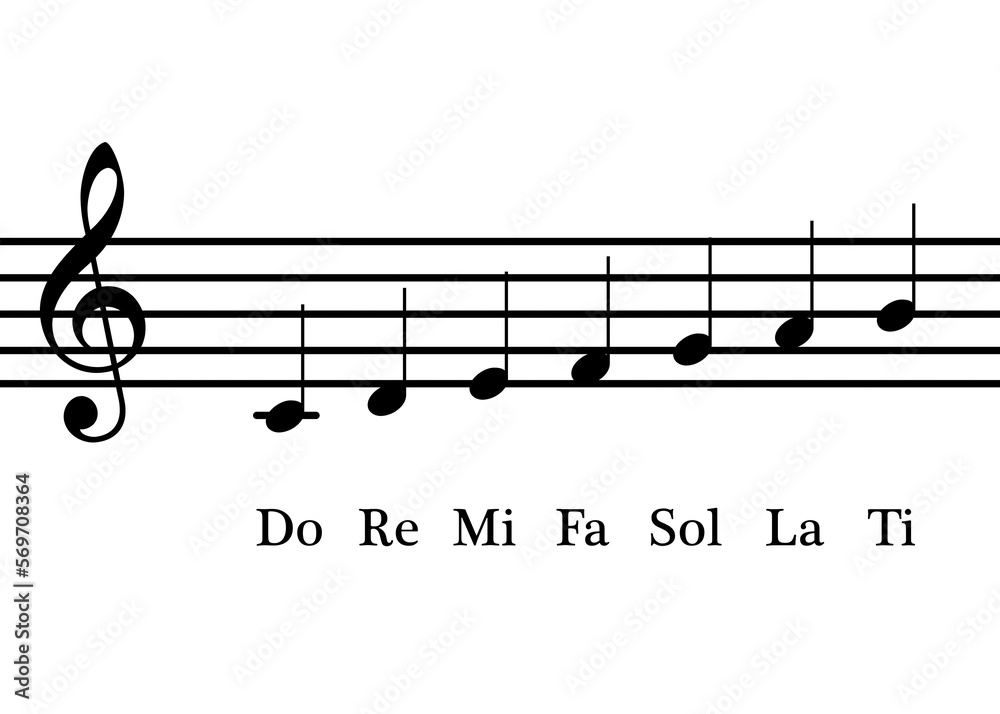
The Solfege scale, which consists of the notes Do, Re, Mi, Fa, Sol, La, and Ti, is a fundamental tool for music education and a must-know for musicians, music teachers, and enthusiasts alike. The Solfege scale offers a systematic way of understanding music theory, making it easier to read sheet music, recognize melodies, and compose music. This system, which originated in ancient Greece, has been a staple in music education for centuries and continues to be a valuable resource for those seeking to improve their musical knowledge and skills.
The Solfege scale, also known as the Solfege method or Handel's Do-Re-Mi, is of great importance for any music-lover, young or old. By associating specific pitches with syllables (Do, Re, Mi, Fa, Sol, La, and Si, the last of which alternatively referred to as Ti, or Te) solfege singing helps navigate through complex melodies and enhance memory of musical structures, pitches and more. With its numerous applications in vocal and instrumental music, the Solfege scale has been instrumental in shaping the musical education systems around the world.
Establishing the foundation of the Solfege scale begins with learning the correct association between the syllables and the corresponding pitches. The standard associations are:
• Do - La (or A) on the musical alphabet
• Re - Sol (B)
• Mi - Re (C)
• Fa - Do (D)
• Sol - Si (E)
• La - (ascending: Fa# or Mi, descending: Fa, in the higher Solfeggio system)


Related Post

Live Life in the Fast Lane: Unveiling the Thrills of Falmouth Jamaica Webcam

The Ghost of You: Unveiling the Hidden Meanings behind My Chemical Romance's Haunting Anthem

Discover the Hidden Conversion Secret: 220 C To Fahrenheit

Ivan Toples Revealed: The Shocking Truth Behind His Billion Dollar Mystery